












The First Steps
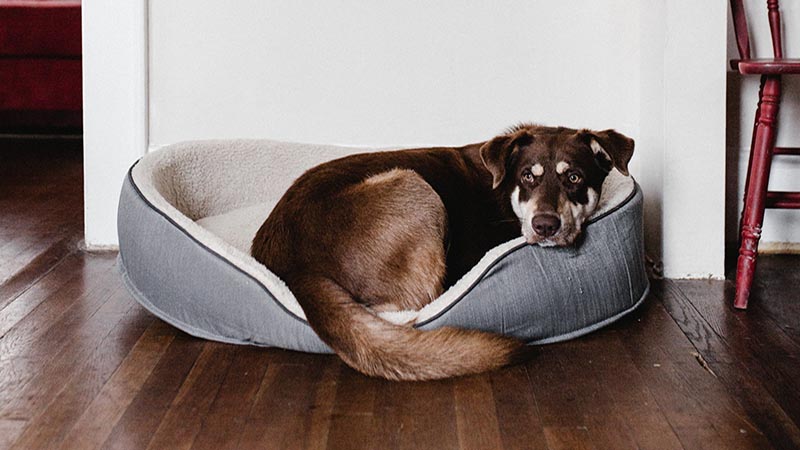
The question ROLDA receives from every adopter is “How do I best prepare for a ROLDA dog coming into my home?”
ROLDA conducted an interview with Paul D, an expert dog behaviorist in the UK with 26 years of experience – 7 of which in rehabilitating homeless dogs from overseas – to create a series of articles answering just that very question.
I. Understand your dog
The first step is to understand the variable nature of dogs adopted from the streets. Tragically, many dogs ROLDA rescues have been abandoned by owners who can no longer afford to keep them. However, the experience these dogs have of a domestic environment can make them likelier to readapt to life at home. On the other hand, some dogs have been born, raised, and lived their entire lives in the wild – “street dogs” – that’s behaviourally more complex.
Paul: “I love street dogs as they’re very aware of what they are – they know they’re a dog and have a very natural way of being”.
II. Be prepared
Street dogs are not guaranteed to have behavioural problems and abandoned pets are not guaranteed to be without. Like people, dogs have a broad spectrum of personalities – it is vital to understand this and be prepared for a range of positive and negative behaviors. It is not how a dog came to be homeless but their experiences in the wild that mold their temperament. For example, many dogs will continue to display survivalist behavior such as hoarding/guarding food and retreating to positions of safety (under a table/bed, etc.) in times of stress.
So, how do I best prepare and handle a Romanian dog coming into my home?
It requires patience and a balance of compassion of discipline. Dogs who’ve spent substantial time in the wild need both a firm and caring hand to settle in a new home.
III. Be balanced
Paul: “The mistake a lot of people make is feeling like they’ve rescued a dog from a truly awful life and should be showered with affection and doted upon. This may be true, but many people ‘overcompensate’ and mollycoddle their new pets without establishing the boundaries and structure dogs need to feel comfortable in their new home”.
It’s absolutely understandable people feel this way – it’s why people adopt – to take a dog away from a miserable life and give one filled with love. However, some dogs need to learn how to be loved.
IV. The first 2 weeks are the key
The first 2 weeks are key for new adoptees in understanding their new surroundings and what behavior is expected of them. Street dogs are canny creatures – they are used to having to fight for food and shelter – adopters must realize they are introducing a dog to an entirely different way of life than to which they are accustomed. This obviously must be done with care and patience, but adopters must assert themselves when problematic behavior when new dogs enter the home. Otherwise, street dogs will perceive no reason to change and the problematic behavior will continue.
Tip! A good guide is to picture the domestic situation with your dog in 6 months, the conditions that you imagine should be the same conditions to which the dog is first exposed: start as you mean to go on.
V. New normal: education and respecting routine
Adoptees must learn what constitutes their new normal. This is achieved by treating street dogs like any other dog but with added care and patience – allowing them to observe normal behavior and what makes up an average day. A rigid routine is not necessary or desirable. Dogs will begin to expect certain things at certain times and deviation from that routine can instill anxiety and ‘pushiness’. Dogs do best in structured but flexible environments and routines.
VI. Fight his stress with your patience
Some dogs will initially be very nervous or fearful and this behavior should not be overly indulged. Obviously, encourage and praise your pet but do not give them the opportunity to flee/hide from stress factors – it’s not helping them. Whilst patience is key – your dog will have arrived after a very long and stressful journey – and adoptees must be given time to adjust; problematic behavior must be tackled as soon as possible.
For instance, the stress of adoption and an unfamiliar environment will trigger a dog’s flight/fight response: either the dog will retreat to a position of safety and cower or will raise their heckles and prepare for confrontation. In either case, the dog must be treated gently and firmly – dogs are only acting in the way they best feel makes them safe and must learn they’re safe without hiding or fighting.
VII. Be a leader
New owners must approach dogs displaying this behavior gradually but confidently; backing down will affirm that the dog’s behavior is acceptable and disincentivize change. Stand your ground even should a dog cry, growl, or snap.
This demonstrates to the dog that they cannot manipulate you with their behavior and the survival techniques they learned in the wild are no longer necessary to feel safe. Within two weeks, all adoptees should be fully inducted into the rules of their new home and very importantly: to happily accept a leash.
ROLDA trains all adoptees in taking and walking with a leash, but it is something dogs will only get used to over time.
Get in Touch with us for free, expert advice
Contact us by email at info@rolda.org.au and explain how we can help you and your dog.
Join this Facebook group: “Adopted Dog Club Australia” created for people who adopted a dog from a shelter.
You can watch live sessions on this Facebook page or by visiting our Youtube account.

Related content
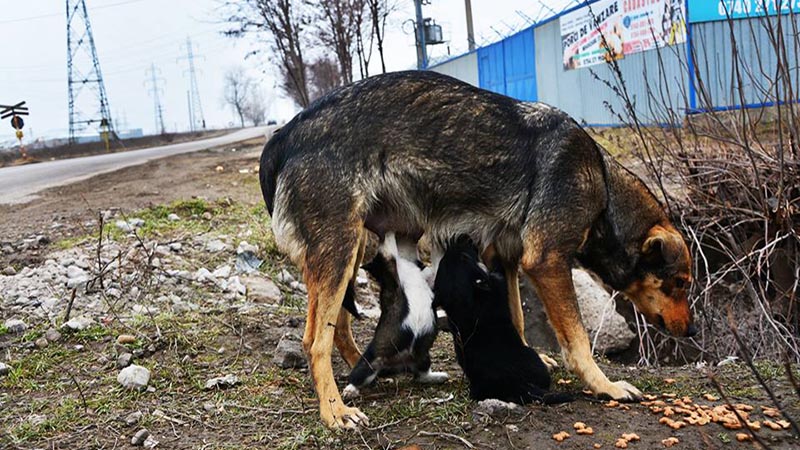
Picture of a poor soul
How do you imagine poor people? What do you visualize? Some people may imagine homeless people in rags, beggars who sit for hours on the cold hard streets of cities, even in the rain. Other people may see the poor people who die of starvation and illness, the skeletal children and babies of the Third ... The First Steps

Rescue dogs
ROLDA rescues dogs from abuse and slaughter every day!!! There’s still time to give a Gift of Hope. ROLDA is the charity that needs the most your help. (BERIT, volunteer from Norway) Every day a homeless/abandoned dog in Romania dies from starvation, illness, injury, poison, abuse, trauma, shock, neglect, torture, cruelty and extreme weather conditions. And while these ... The First Steps
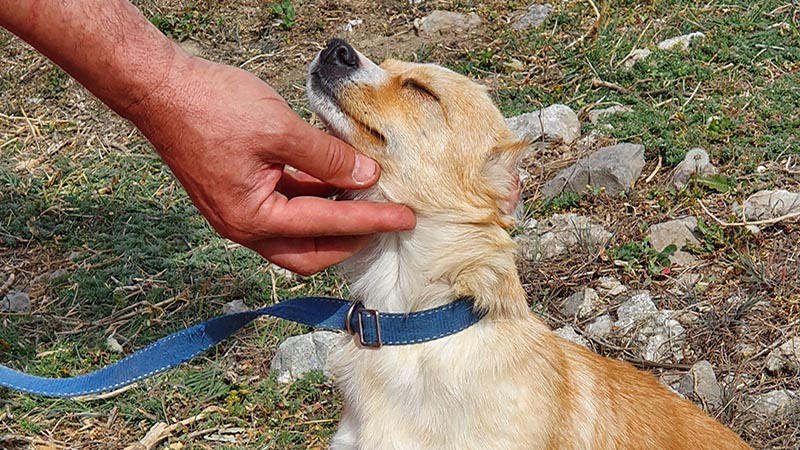
Save a stray
Life changed for me – and over 7,000 abandoned dogs. For just 25 cents, you can join me and make even more of a difference… Dear Friend, dear Animal Lover, We are currently helping over 600 dogs to start living again. Their journey to recovery starts with giving them a nutritious meal – almost always ... The First Steps
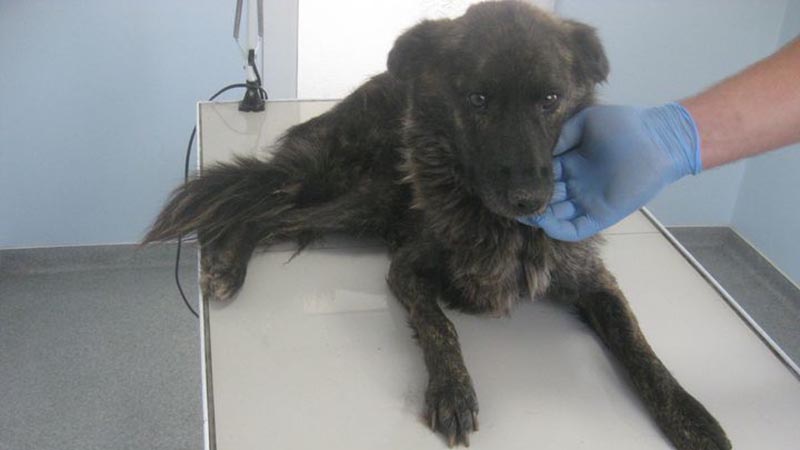
Help for Bar
From waiting to die to willing to live: A stray’s story of revival. BAR was discovered behind a bush whimpering softly and breathing erratically as if he no longer had the strength or the will to communicate his agony to the world…as if he literally chose this spot to spend his dying days…alone, as if ... The First Steps
Help for Buck
Buck’s story BUCK was rescued from the street after being hit by speeding a car. We were contacted by an individual who had witnessed the horrible collision. Moments later, our Rescue Team arrived at the scene to transport Buck to our clinic. Buck was lying on his side, urinating and shaking uncontrollably as he was ... The First Steps
